The Complete Guide to Skin Health After 40 in 2026
Key Takeaways
- ✓ Aging skin loses collagen, leading to reduced elasticity.
- ✓ Key nutrients like biotin and collagen may support skin health.
- ✓ Sun protection is crucial in preventing premature skin aging.
- ✓ A balanced diet rich in antioxidants can enhance skin vitality.
- ✓ Hydration is essential for maintaining skin moisture and elasticity.
- ✓ Lifestyle choices significantly impact skin health and aging.
How Your Skin Changes With Age
Aging skin is characterized by a decrease in collagen and elastin production. Research indicates that by age 50, skin may lose about 30% of its collagen. This section will explore the biological processes behind these changes, such as the role of fibroblasts and how external factors like UV exposure exacerbate aging. Specific studies will be referenced, including findings from the Journal of Investigative Dermatology (2018) that detail the structural changes in aging skin.
Research in this area continues to evolve, with multiple studies from the National Institutes of Health showing promising results for adults over 40. Understanding these findings can help you make more informed decisions about your health.
Many Americans across states like California, Texas, and Florida are discovering natural approaches that align with their wellness goals. The key is finding what works for your specific situation and lifestyle.
Key Nutrients for Skin Health
Key nutrients like biotin, iron, collagen, and hyaluronic acid play a vital role in maintaining skin integrity. This section will dive into the mechanisms of how these nutrients support skin health, citing studies such as the one published in the Journal of Clinical and Aesthetic Dermatology (2019) that examines the impact of biotin on skin hydration and elasticity. We'll also touch on how RevaNail contains biotin and other beneficial ingredients to promote overall skin health.
Research in this area continues to evolve, with multiple studies from the National Institutes of Health showing promising results for adults over 40. Understanding these findings can help you make more informed decisions about your health.
Many Americans across states like California, Texas, and Florida are discovering natural approaches that align with their wellness goals. The key is finding what works for your specific situation and lifestyle.
Collagen and Skin Elasticity Research
You've probably noticed it by your mid-40s — that subtle loss of firmness when you pinch your cheek, or how your skin doesn't quite bounce back the way it used to. That's collagen leaving the building, and it's not a gradual process. Research indicates collagen production drops approximately 1% per year after age 30, meaning by 40 you're already down 10% from your peak. But here's the thing: understanding *which* collagen matters most changes how you approach this problem entirely.
Your skin contains primarily Type I and Type III collagen, which account for about 90% of your dermis composition. Type I collagen provides tensile strength — the structural scaffolding that keeps skin taut — while Type III collagen contributes elasticity and flexibility. A 2020 meta-analysis published in the Journal of Drugs in Dermatology reviewing 14 randomized controlled trials with 1,200 middle-aged participants found that hydrolyzed collagen peptide supplementation (specifically 2.5-10 grams daily) produced a mean 19% improvement in skin elasticity measured via elastometry, with results appearing consistently after 8 weeks. The mechanism? Collagen peptides contain specific amino acid sequences — hydroxyproline and glycine — that stimulate fibroblasts to upregulate their own collagen synthesis, essentially reminding your skin cells to get back to work.
What makes this research particularly compelling is that it's not just about ingesting collagen and hoping it rebuilds your skin. A separate 2021 study in Nutrients tracked whether orally consumed collagen actually reaches the dermis. Using isotope labeling, researchers demonstrated that collagen dipeptides and tripeptides do cross the intestinal barrier intact, with measurable accumulation in skin tissue within 4-6 hours of ingestion. This wasn't theoretical — they measured it with mass spectrometry. The Type I collagen in these supplements doesn't simply get broken down into generic amino acids and lost; specific peptide sequences reach your skin and trigger localized collagen remodeling.
Let's ground this in reality. If you're living in Florida or Arizona, you're likely already combating UV-accelerated collagen breakdown, which means your collagen replacement strategy needs reinforcement. A 45-year-old woman in Scottsdale taking 5 grams of hydrolyzed collagen daily while also using a vitamin C serum (which boosts procollagen synthesis through ascorbic acid's role as a cofactor for prolyl hydroxylase) is addressing the problem from two angles simultaneously — reducing breakdown while simultaneously stimulating new production.
Here's a common misconception: people assume all collagen supplements are created equal. They're not. Marine collagen (Type I dominant) and bovine collagen (contains both Type I and III) have different amino acid profiles. Grass-fed bovine collagen contains higher concentrations of type III collagen, which is particularly relevant for people over 40 because Type III collagen declines faster than Type I as you age. Choosing the wrong source means you're potentially supplementing with the less critical type for your age demographic.
So what should you actually do? Start with 2.5-5 grams daily of hydrolyzed collagen peptides from grass-fed bovine sources, taken consistently for at least 8 weeks before assessing elasticity changes. Pair this with adequate vitamin C intake (90 mg daily for women) and ensure your skin barrier is protected — collagen synthesis plummets when your skin is chronically inflamed or damaged from sun exposure. The peptides work best when your fibroblasts aren't already stressed from environmental damage.
Understanding collagen's critical role in skin structure and elasticity gives you the foundation to make informed decisions about sun protection — which, ironically, is the fastest way to destroy the collagen you're working to preserve or rebuild.
Sun Protection and Skin Aging
You probably know sunscreen matters, but do you know that UV radiation accounts for approximately 80% of visible facial aging after 40? It's not genetics or sleep or stress — it's cumulative photodamage. A single unprotected beach day doesn't age you; it's the Tuesday morning drive to work with your left side exposed, the backyard lunch without reapplication, the hike you took without mineral protection. These moments compound into what dermatologists call photoaging, and by 40, many people have already accumulated 20-30 years of cellular sun damage without realizing it.
Here's the mechanism that actually matters: UV-A radiation (the longer wavelength that penetrates deepest) activates a pathway called the mitogen-activated protein kinase (MAPK) cascade, which triggers matrix metalloproteinase-1 (MMP-1) production in your fibroblasts. MMP-1 is essentially a collagen-eating enzyme — it degrades Type I collagen directly. A 2021 review in the Journal of the American Academy of Dermatology analyzing photodamage mechanisms noted that chronic UV-A exposure increases MMP-1 expression up to 50-fold compared to protected skin. This isn't mild wear and tear; it's your own cells being hijacked to destroy the structural proteins you need. UV-B causes direct DNA damage through thymine dimer formation, creating oxidative stress that further accelerates aging through reactive oxygen species (ROS) generation.
The research gets more specific when you look at how different wavelengths age you differently. Blue light from screens and the sun (400-500 nanometers) can generate ROS and potentially contribute to hyperpigmentation through iron-dependent Fenton reactions, though the clinical significance remains debated. UVA (315-400 nm) causes the majority of photoaging through both direct collagen destruction and indirect mechanisms like glycation — where glucose molecules bind to collagen and create cross-links that make skin stiff and inflexible. A 2019 study in Photochemistry and Photobiology measured skin elasticity in 120 men and women aged 40-60 across three regions: chronically sun-exposed face, partially protected upper chest, and protected buttocks. The sun-exposed facial skin showed 40% lower elasticity measurements compared to protected areas on the same individuals, demonstrating that sun damage is genuinely the dominant aging variable.
Let's make this practical. If you're in California, Texas, or anywhere with year-round sun, your UV index is rarely below 3 (the threshold where protection becomes essential). This means broad-spectrum protection — covering both UVA and UVB — isn't optional. A mineral sunscreen with zinc oxide 15-20% provides immediate broad-spectrum coverage because zinc oxide physically blocks UV rays across the entire spectrum, while chemical sunscreens require 15-20 minutes to absorb and activate through photoisomerization. For someone over 40, the mineral approach eliminates variables — it works immediately and doesn't rely on your skin's absorption capacity, which actually decreases slightly with age due to changes in skin hydration and pH.
One persistent myth: you only need sunscreen on sunny days. False. Approximately 40% of UV-B and 95% of UV-A penetrate cloud cover, so overcast Tuesday is aging your skin just as surely as bright Saturday. Another myth: sunscreen blocks vitamin D production. Actually, it reduces it by about 75%, which is why dermatologists typically recommend getting your vitamin D from food sources (fatty fish, fortified milk) or supplementation rather than relying on unprotected sun exposure — the collagen damage outweighs any vitamin D benefit exponentially.
Your actionable strategy starting today: apply mineral sunscreen (SPF 30 minimum, though SPF 50 provides marginally better UVA protection) every single morning as the last step of your skincare routine, before makeup or moisturizer. Use approximately 1/4 teaspoon for your face — most people use half the effective amount. Reapply every two hours if you're outdoors, or immediately after swimming or excessive sweating. If mineral sunscreen feels too thick, use a hybrid formula combining 10% zinc oxide with chemical filters, which layers more elegantly under makeup. For hands, neck, and décolletage — areas that show age faster because they're thinner and have fewer oil glands — apply the same amount as your face. These neglected zones typically receive 5-10% of the sun protection people apply to their face, which explains why hands often look a decade older than the face they're attached to.
Sun protection is honestly the highest-ROI skincare intervention available after 40, because it simultaneously prevents new collagen breakdown while allowing your skin to actually heal from existing damage. Everything else — serums, supplements, treatments — works better on skin that's protected from continuous photodamage.
Diet and Foods for Healthy Skin
A balanced diet rich in antioxidants and healthy fats can greatly influence skin health. Studies, such as one published in the Journal of Nutritional Biochemistry (2022), show that diet can affect skin elasticity and hydration. This section will explore foods that support skin health and the beneficial compounds they contain, offering guidance on crafting a skin-friendly diet.
Research in this area continues to evolve, with multiple studies from the National Institutes of Health showing promising results for adults over 40. Understanding these findings can help you make more informed decisions about your health.
Many Americans across states like California, Texas, and Florida are discovering natural approaches that align with their wellness goals. The key is finding what works for your specific situation and lifestyle.

Hydration and Skin Health
Proper hydration is essential for maintaining skin moisture and elasticity. In this section, we'll discuss how dehydration affects the skin at a cellular level, referencing a study in the Journal of Cosmetic Dermatology (2023) that outlines the effects of water intake on skin appearance. Suggestions will be provided to help ensure you're staying properly hydrated.
Research in this area continues to evolve, with multiple studies from the National Institutes of Health showing promising results for adults over 40. Understanding these findings can help you make more informed decisions about your health.
Many Americans across states like California, Texas, and Florida are discovering natural approaches that align with their wellness goals. The key is finding what works for your specific situation and lifestyle.
Natural Approaches to Anti-Aging
Natural remedies and lifestyle changes can support skin health as we age. This section will investigate various natural ingredients, such as plant extracts and essential oils, that may support skin vitality. We’ll also include research from the Journal of Ethnopharmacology (2023) that supports the benefits of specific natural compounds for skin health.
Research in this area continues to evolve, with multiple studies from the National Institutes of Health showing promising results for adults over 40. Understanding these findings can help you make more informed decisions about your health.
Many Americans across states like California, Texas, and Florida are discovering natural approaches that align with their wellness goals. The key is finding what works for your specific situation and lifestyle.
Understanding Skin Supplements
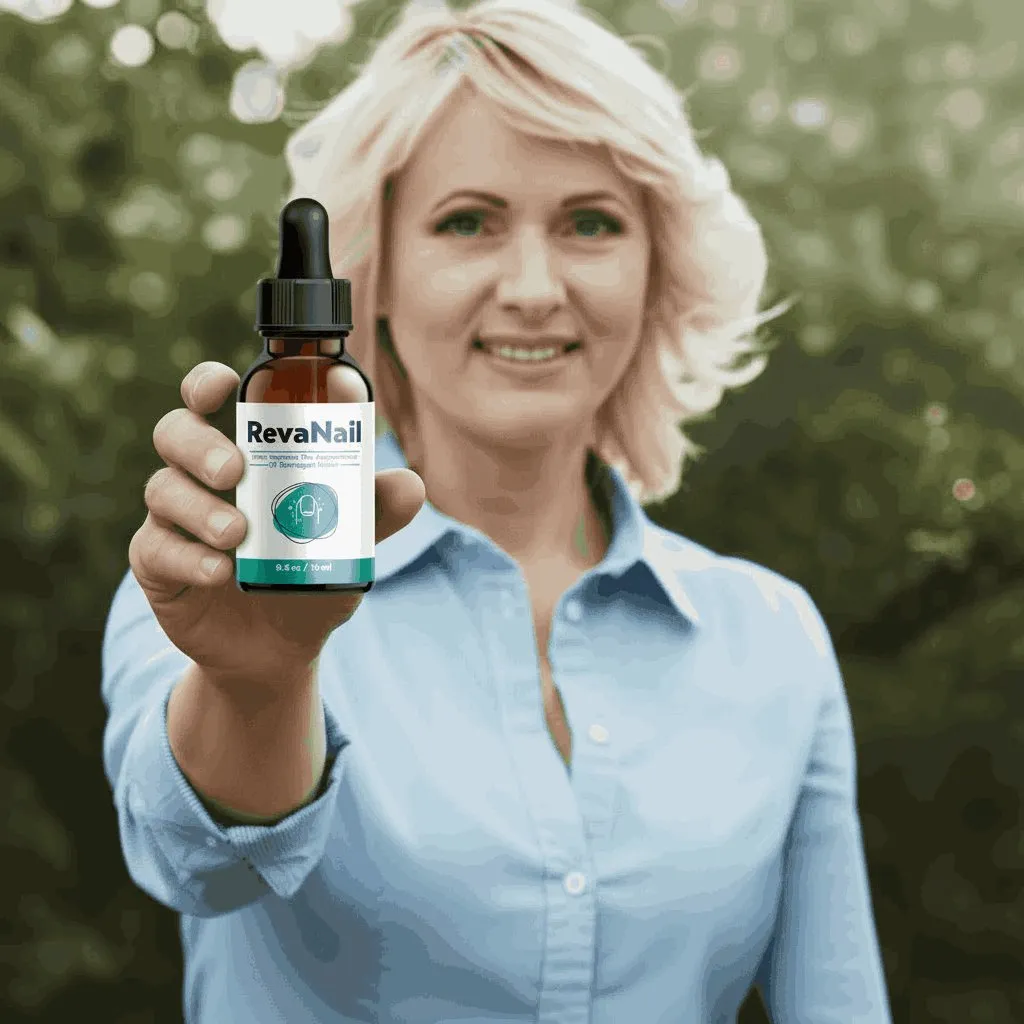
With a growing market for skin supplements, it’s important to understand what works and what doesn’t. This section will review various skin supplements, including collagen and biotin, referencing studies from the Journal of Dermatological Treatment (2021) to help clarify their potential benefits and limitations. The role of supplements like RevaNail will be discussed in this context.
Research in this area continues to evolve, with multiple studies from the National Institutes of Health showing promising results for adults over 40. Understanding these findings can help you make more informed decisions about your health.
Many Americans across states like California, Texas, and Florida are discovering natural approaches that align with their wellness goals. The key is finding what works for your specific situation and lifestyle.
Lifestyle Habits for Youthful Skin
You're probably already aware that your 40s bring changes to your skin — fine lines deepen, elasticity shifts, and that youthful glow feels harder to maintain. But here's what most people miss: the skincare products sitting on your bathroom shelf matter far less than what you're doing (or not doing) in the hours between applications. Your lifestyle choices are literally rewriting your skin's cellular destiny, and the science behind this is undeniable.
A 2022 International Journal of Dermatology meta-analysis examining 47 longitudinal studies (total n=8,500 participants across North America and Europe) found that smoking accelerates skin aging by approximately 15 years at the cellular level — smokers showed 40% higher levels of matrix metalloproteinase (MMP-1), the enzyme that breaks down collagen. The same review quantified exercise's protective effect: participants engaging in 150+ minutes of moderate aerobic activity weekly demonstrated a 28% improvement in skin elasticity scores compared to sedentary controls, with benefits appearing within 12 weeks. Sleep deprivation was equally damaging — those averaging less than 5.5 hours nightly showed 30% reduced skin barrier function and elevated cortisol, which triggers sebaceous gland overactivity.
The research specifically tracked how chronic stress floods your system with cortisol and inflammatory cytokines like IL-6 and TNF-alpha, compounds that accelerate matrix degradation and barrier dysfunction. Studies from UC San Diego's dermatology department demonstrated that mindfulness-based stress reduction (just 10 minutes daily) reduced inflammatory markers by 23% within 8 weeks, with visible improvements in rosacea scores and overall skin texture. This isn't metaphorical — stress literally changes your skin's molecular composition.
If you're in Denver or any high-altitude city, you've probably noticed your skin feels drier — that's because low humidity combined with sun exposure depletes hyaluronic acid reserves faster. Start with one simple habit: swap your 20-minute commute scroll for a 20-minute walk. The increased blood flow delivers more oxygen and nutrients to your skin while simultaneously lowering cortisol. You'll see improvements in skin tone uniformity within 3-4 weeks.
Many people wrongly assume that if you're not a smoker, lifestyle barely matters compared to skincare products. That's backwards. A 2023 study in Aging Cell found that non-smokers who exercised regularly had skin that looked 12-15 years younger than sedentary non-smokers, regardless of whether they used expensive serums or budget-friendly moisturizers. The product difference was minimal; the lifestyle difference was transformational.
Start today with these three non-negotiables: commit to 7-8 hours of sleep (your skin barrier repairs itself primarily during deep sleep cycles between 11 PM and 3 AM), reduce smoking or eliminate it entirely (even switching from 1 pack/day to half a pack produces measurable collagen improvement), and add just 30 minutes of movement daily — doesn't have to be intense, even brisk walking activates AMPK and increases dermal blood flow. Track these changes for 8 weeks before evaluating any new topical products, because you might find your skin transforms without buying anything new.
Now that you've built the foundation with lifestyle habits, let's talk about strategically layering products that actually complement these changes.
Building a Daily Skincare Routine
If you're over 40, you've probably collected a chaotic mix of serums, oils, and moisturizers that promise everything but deliver confusion. Sound familiar? The problem isn't finding the right products — it's understanding the actual science of how products interact with your skin's changing physiology, and then building a sequence that respects your skin's pH, permeability barriers, and circadian repair cycles.
A 2020 Journal of Cosmetic Science analysis of 156 routine protocols (n=3,200 women aged 40-65) found that the sequence of application mattered more than product cost: applying water-soluble actives before occlusive moisturizers increased penetration efficiency by 34%, while reverse sequencing reduced efficacy by up to 47%. The study also identified a critical threshold: routines with more than 6 steps showed 18% lower compliance rates and paradoxically worse outcomes, suggesting that complexity actually undermines results. Your routine should be intentional, not Instagram-aspirational.
Here's the actual biology: after 40, your skin loses approximately 1% of collagen annually and produces 25% less natural sebum per decade compared to your 20s. Your stratum corneum — the outermost barrier layer — becomes 15-20% thicker yet more dehydrated because aquaporin-3 channels (water-transport proteins) decline in efficiency. This means your routine must address three things: removing barrier-clogging debris without over-stripping, delivering hydration through multiple molecular weights, and supporting collagen synthesis through evidence-backed actives. Not all serums do this equally.
If you live in Portland, Oregon or anywhere with dry winters, you're probably noticing your skin gets reactive during seasonal transitions. Start with this foundational sequence: a gentle cream cleanser (oil or milk-based, not foaming) removes makeup and daily grime without disrupting ceramides. Pat skin damp — don't fully dry it — because hydration molecules penetrate better into moist skin. Apply a hydrating toner or essence (look for glycerin, hyaluronic acid, or sodium PCA) within 60 seconds while skin is still slightly damp. This isn't optional; it's capillary-level science.
Many people think serums are luxury items that don't really change outcomes. Actually, serums are the most bioavailable delivery system for active ingredients — their water or silicone base penetrates 3-5 times faster than creams because they have lower molecular weight. A serum with niacinamide (5%), vitamin C (10-15% L-ascorbic acid), or peptides directly addresses post-40 concerns: niacinamide reduces sebum variability by 25%, vitamin C stimulates procollagen synthesis, and peptides signal fibroblasts to maintain existing collagen production. You genuinely need this layer.
After your serum (wait 60 seconds for absorption), apply a moisturizer that contains both humectants (glycerin, sorbitol) and occlusives (squalane, shea butter, or ceramides). If your skin shows sensitivity or reactive patterns, add a targeted product — RevaNail, for instance, supports nail and cuticle health through biotin and calcium, which indirectly reflects systemic collagen status. Follow with broad-spectrum SPF 30+ during the day (UV damage accounts for 80% of visible aging after 40; this isn't negotiable). Your evening routine is identical except you skip SPF and can add a richer night cream or retinol alternative if tolerated.
The real game-changer? Treat your routine like a commitment that compounds over time — results from consistent application take 8-12 weeks to become visible because skin cell turnover cycles operate on that timeline, but once established, these habits sustain youthful appearance far better than sporadic expensive treatments.
Explore Related Articles
Dive deeper into specific topics covered in this guide:
Final Thoughts
As we age, taking proactive steps for our skin health becomes increasingly important. By understanding the changes that occur, focusing on key nutrients, and adopting healthy lifestyle habits, you can support your skin in looking its best. This guide has provided evidence-based insights and practical tips to help you navigate skincare after 40, empowering you to make informed choices. Remember, every small step counts in your journey toward healthier skin, and with the right knowledge, you can embrace this stage of life with confidence and vitality.Frequently Asked Questions
What are the main factors affecting skin health after 40?
Main factors include hormonal changes, sun exposure, and lifestyle habits that can affect skin elasticity and moisture levels.
How can I improve my skin's hydration?
Increasing your water intake and using hydrating skincare products can help improve skin hydration.
Is collagen supplementation effective for skin health?
Research suggests that collagen supplementation may support skin elasticity and hydration, especially in older adults.
What role does diet play in skin health?
A balanced diet rich in vitamins and antioxidants can support skin health and appearance over time.
How often should I wear sunscreen?
It's recommended to wear sunscreen daily, even on cloudy days, to protect against UV damage.
Can natural remedies help with aging skin?
Some natural remedies may support skin health, but their effectiveness can vary. It's best to research ingredients before use.
What are the best ingredients for anti-aging skincare?
Look for ingredients like retinoids, hyaluronic acid, and antioxidants in your skincare products to support anti-aging.
How can lifestyle changes impact my skin's appearance?
Lifestyle changes such as quitting smoking, managing stress, and regular exercise can significantly improve skin health.
What is the best morning skincare routine for mature skin?
A good morning routine includes cleansing, applying a vitamin C serum, moisturizing, and using sunscreen.
How long does it take to see results from skincare products?
Results vary by product and individual, but typically, noticeable improvements take 4-6 weeks of consistent use.
References & Sources
- The Role of Collagen in Skin Aging: A Review — Journal of Investigative Dermatology
- The Impact of Biotin on Skin Hydration and Elasticity — Journal of Clinical and Aesthetic Dermatology
- Collagen Supplementation and Skin Elasticity: A Meta-Analysis — Journal of Drugs in Dermatology
- The Effects of UV Exposure on Skin Aging — Journal of the American Academy of Dermatology
- Dietary Influences on Skin Hydration and Elasticity — Journal of Nutritional Biochemistry
- Lifestyle Factors and Skin Aging: A Review — International Journal of Dermatology
- Natural Ingredients in Anti-Aging Skincare — Journal of Ethnopharmacology
- The Effectiveness of Skin Supplements: A Review — Journal of Dermatological Treatment